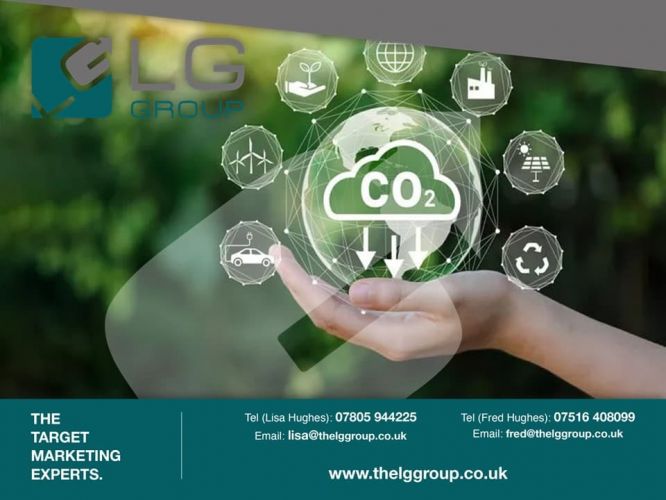
Carbon Offsetting
As transport and logistics is at the forefront of The LG Group, I imagine many of you are wondering what we do to ensure that carbon neutrality is at the forefront of our business, and those companies we work with.
But first, let's look at what it means by carbon offsetting. It's said that everything has a carbon footprint and such footprints are mainly associated with things like driving or flying a plane. These are activities that release carbon dioxide and other gases into the atmosphere. These are often referred to as "greenhouse gases." In order to offset the amount of greenhouse gas emitted we look at ways of offsetting this, which simply means putting back into nature or balancing up the emissions with sustainable alternatives such as wind, hydro and solar power instead of conventional oils and gasses.
For most of us offsetting carbon is about the bigger picture: there are numerous projects that are nature-based where the focus is on preserving and enhancing the natural eco-systems by planting new tress or protecting the woods and forests that are already in existence.
Another example of carbon offsetting is using bio-fuels as an alternative to petrol and diesel. We all know that McDonalds use their waste oil to power their trucks. Many other companies also use this method but they don't shout as loud or have the power of a huge marketing budget like the infamous fast food giant.
Another thing many companies are now doing is purchasing carbon credits. These are exactly what you think; they are a tradable commodity produced by carbon offset projects and then sold on the carbon market. The credits represent the removal of one metric ton of greenhouse gas or its equivalent. When you purchase a credit it allows you to offset your emissions to meet climate goals whilst also providing financial support to carbon offset projects and these are the projects that work towards reducing or removing greenhouse gas emissions. Phew! I now it's a lot to digest but that's it in a nutshell. (Thankfully someone I know used to work for a company that is dedicated to the carbon market and reducing the carbon footprints).
At The Lead Generation Group we are very aware of our own footprint and therefore we don't insist on people having to travel unnecessarily; in the digital world it's now easier to have a joined up team but still be working remotely.
In the logistics industry there is a much bigger emphasis on making sure that the supply chain is efficient to eliminate additional journeys or steps along the way, therefore reducing the use of fuel.
So many warehousing companies are fitted with solar panels which massively reduces their carbon footprint and their previously massive electricity bills.
Many companies are not operating in an ideal world yet – and anyway, is there such a thing? They are, however, much more aware of the impact their businesses have on the environment and that, for the time being, is all we can ask from them.